

Escape from Ponar – The Escape Tunnel Rediscovered
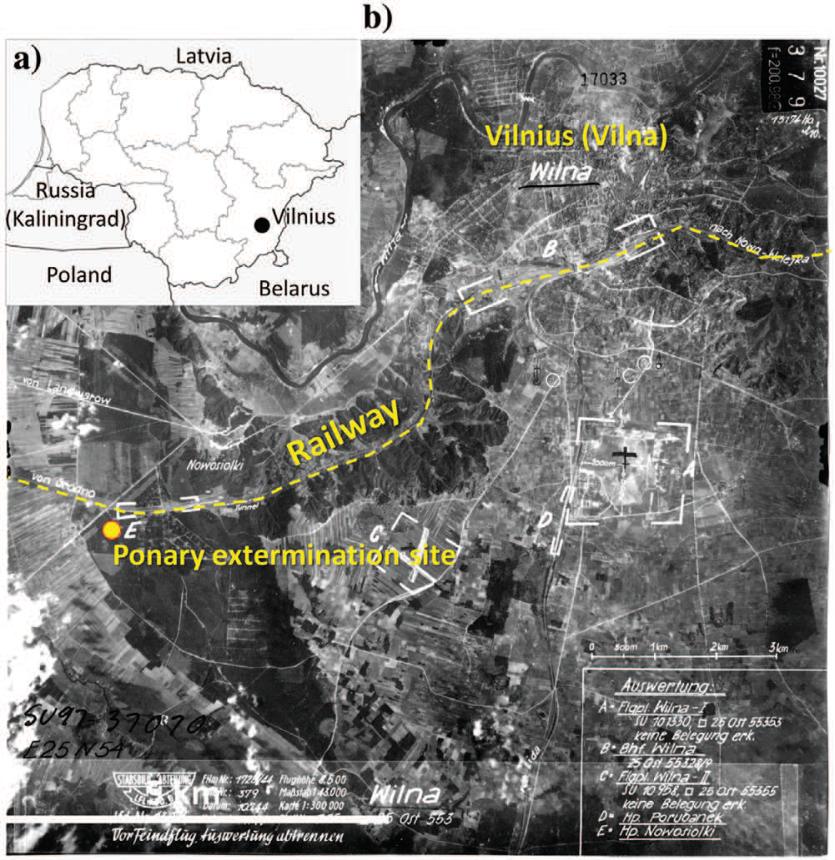
As the Red Army advanced in 1943, the Nazis set out to erase the evidence of the mass murder at Ponar (Paneriai – Ponary – פונאר), as they did at other killing sites across occupied eastern Europe under Sonderaktion 1005. Between December 1943 and April 1944 a unit of 80 prisoners – Jews captured in Vilna after the liquidation of the Ghetto and Soviet prisoners of war – was forced to work as a Leichenkommando (‘corpse unit’). The prisoners had to exhume the bodies from the pits, burn them on wooden pyres and then grind the bones and scatter the ashes, mixed with sand, around the site.
At night the 80 members of the Leichenkommando were held in a bunker inside one of the large circular pits, originally dug by the Red Army for fuel storage, that had not been used as a mass grave. The pit was lined with a stone wall, surrounded by a double barbed-wire fence and reached only by a ladder that was drawn up at the end of each day.
The Escape – 15 April 1944
Knowing that they would be killed once their work was done, the prisoners began in January 1944 to dig a tunnel from beneath the stone-lined detention pit, working in secret, with spoons and their bare hands. The tunnel, about 65 × 55 cm in section, was shored up with wooden boards and pine branches. An insulated wire, powered by batteries, was led into the tunnel; according to the survivor Yitzhak Dugin it lit a lightbulb for the diggers and could be used to signal them to leave the tunnel in an emergency. Survivors recalled a tunnel at least 30 metres long, and perhaps as long as 40 metres; Motke Zaidel described an abrupt turn to the right after about 20 metres, probably to avoid a guard post or a mass grave.
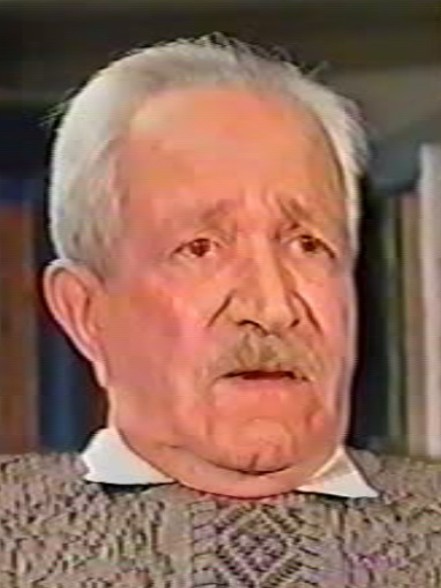
On the night of 15 April 1944 the prisoners broke through the roof of the tunnel among the roots of the trees beyond the fence and began to escape, using pliers salvaged from the corpses to cut through the barbed wire. After the first group had left the tunnel the guards were alerted and opened fire. Those who did not get beyond the fence were killed during or shortly after the escape. Twelve prisoners evaded capture, and eleven of them survived the war. Some, including Shlomo Gol, joined the partisans and took part in the liberation of Vilna in July 1944. Their testimony was among the first to reveal what had happened at Ponar. To complete the burning of the corpses, 70 Jews were then brought from the Kailis forced labour factory in Vilna, and they too were murdered before the German retreat.
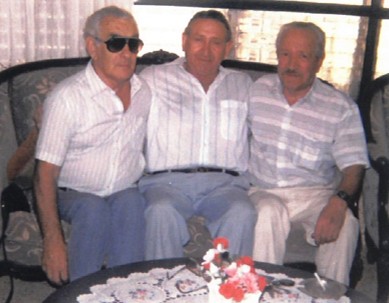
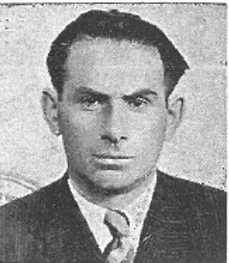
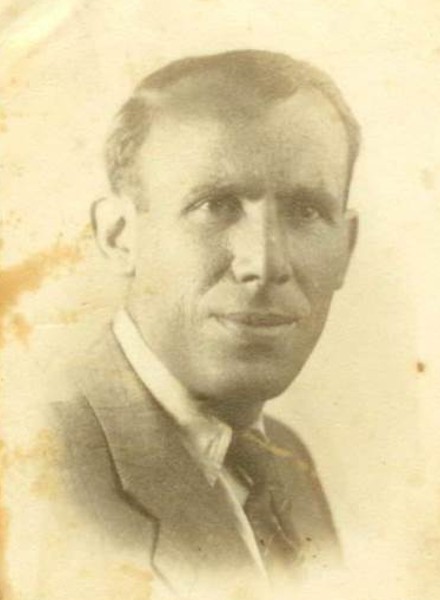
Some of the Escapees in later life in Israel
Rediscovering the Tunnel
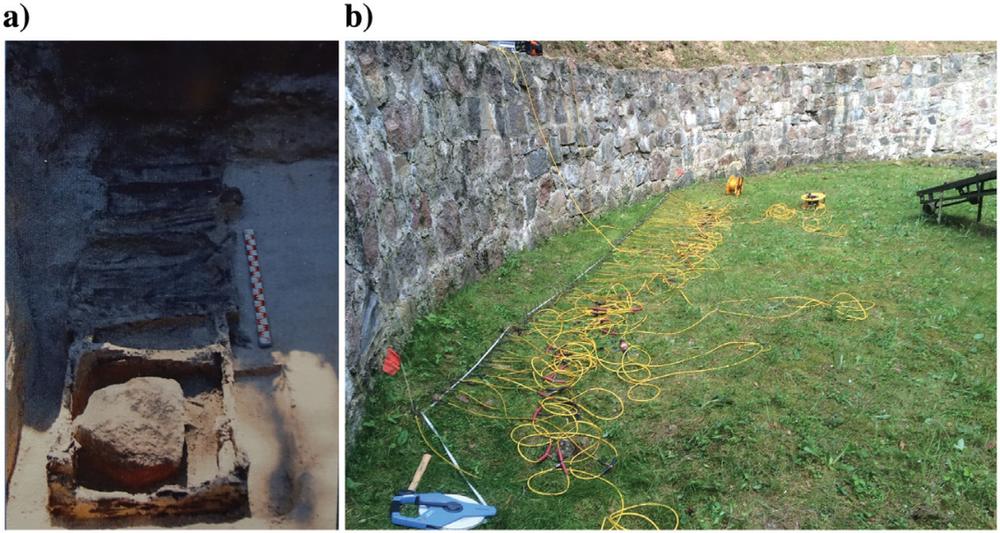
Apart from the survivors’ accounts, including interviews recorded for Claude Lanzmann’s film Shoah, the tunnel remained undocumented until 2004, when an archaeological excavation in the detention pit led by the archaeologist Urbanavičius uncovered the remains of the prisoners’ bunker and the entrance to the tunnel. The entrance was a rectangular wooden frame, 80 × 95 cm, found 70 cm below the floor of the pit and 1.9 m from its stone wall; a large stone, probably from the wall of the pit, lay inside it. Beneath it was the tunnel’s support structure of vertical wooden posts, 4 × 4 cm thick and about 70 cm apart, and a roof of cut pine trunks and branches 5–8 cm thick, laid 10–15 cm apart. Near its base the tunnel had been squeezed by the pressure of the sand, but its original size of about 65 × 55 cm was confirmed. A two-core insulated wire led into the tunnel, and some 20 batteries were found – the power supply for the light described by Yitzhak Dugin. Three trenches dug beyond the hill to the southwest found no trace of the tunnel, and the excavation was reburied. No memorial or sign was placed to mark the tunnel.
The 2016 Geophysical Survey
Over ten days in June 2016, at the request of the Vilna Gaon State Jewish Museum and in preparation for a new visitor centre at Ponar, our team carried out a non-invasive geophysical survey of the site, in consultation with the Lithuanian Jewish Community. The families of those who had survived or been murdered at Ponar were invited to contact the team, and many shared their families’ stories. Non-invasive methods allowed us to map buried features without disturbing the remains of the victims.
Two methods were used. Electrical resistivity tomography (ERT) measures how easily an electric current passes through the ground, between electrodes pushed into the soil along a line; refilled ground, such as a grave or a collapsed tunnel, shows up against the undisturbed natural sand. Ground-penetrating radar (GPR) sends radar pulses into the ground and records their echoes from buried layers and objects. Because the radar was disturbed by echoes from the trees of the forest, ERT became the main method. The results were combined with a high-resolution LiDAR elevation model of the ground surface, made in 2015, and with eight German and Soviet aerial reconnaissance photographs taken between May and October 1944, recently released by the US National Archives.
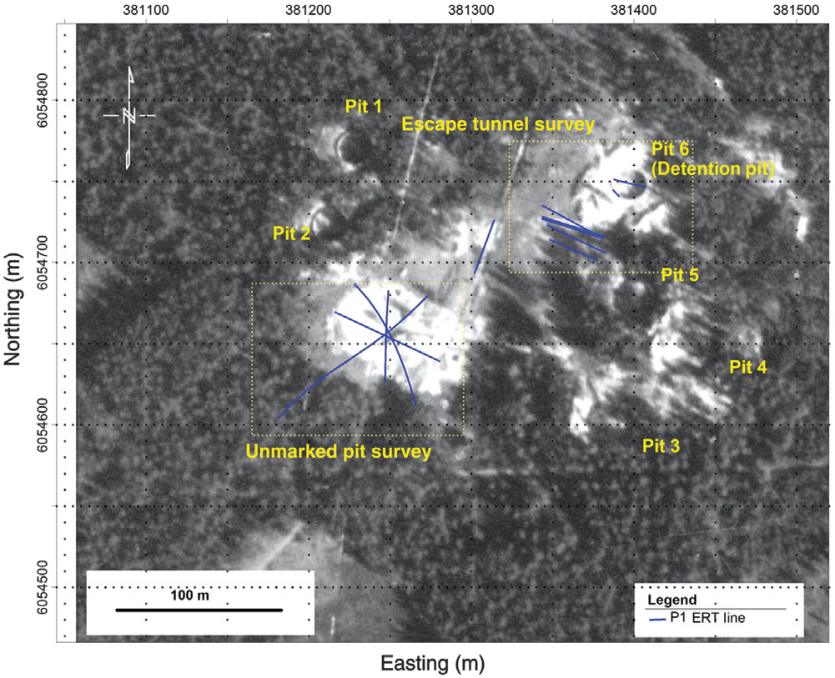
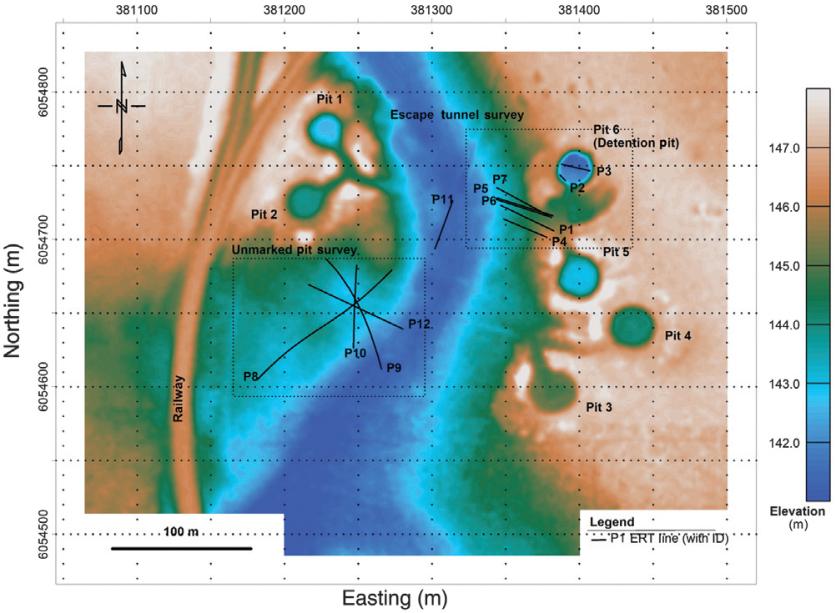
Paul Bauman and Alastair McClymont explain the geophysical technology used to detect the tunnel at Ponar.
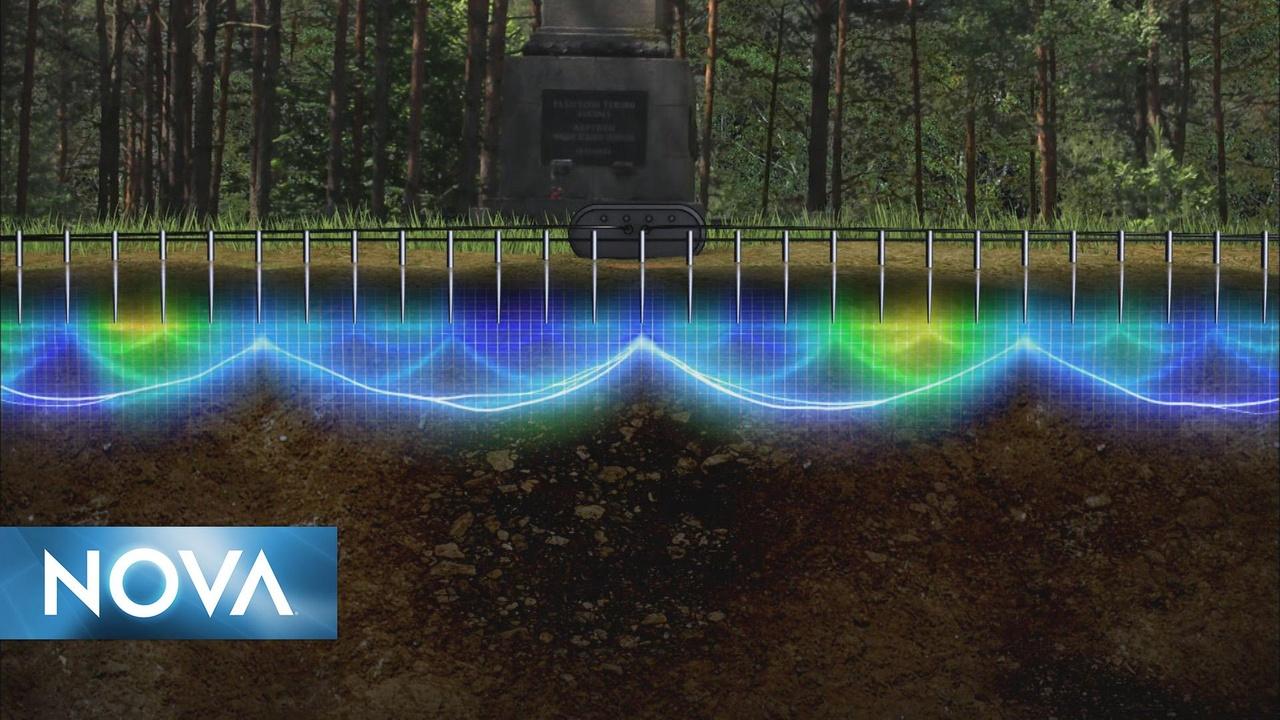
NOVA (PBS), Holocaust Escape Tunnel – Discovering the Burial Pit (2017), 2:48 min. · Watch on PBS LearningMedia
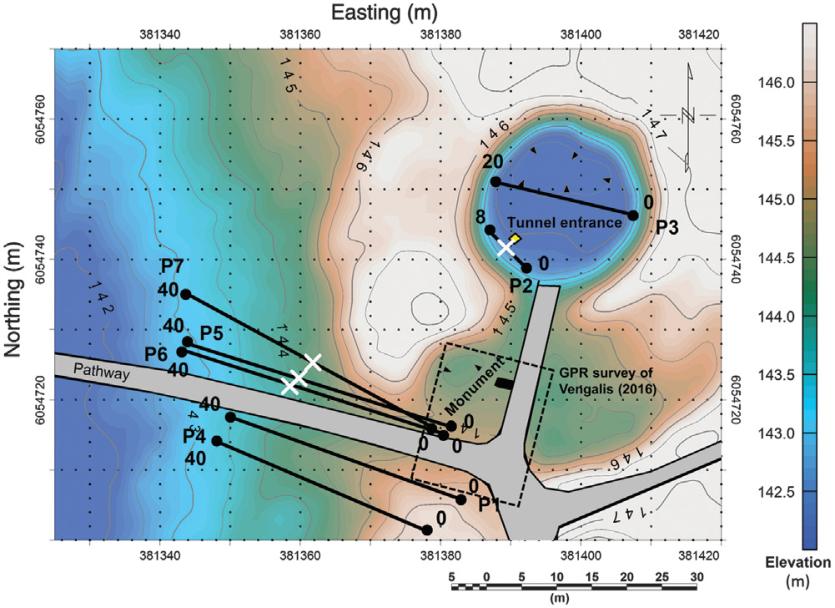
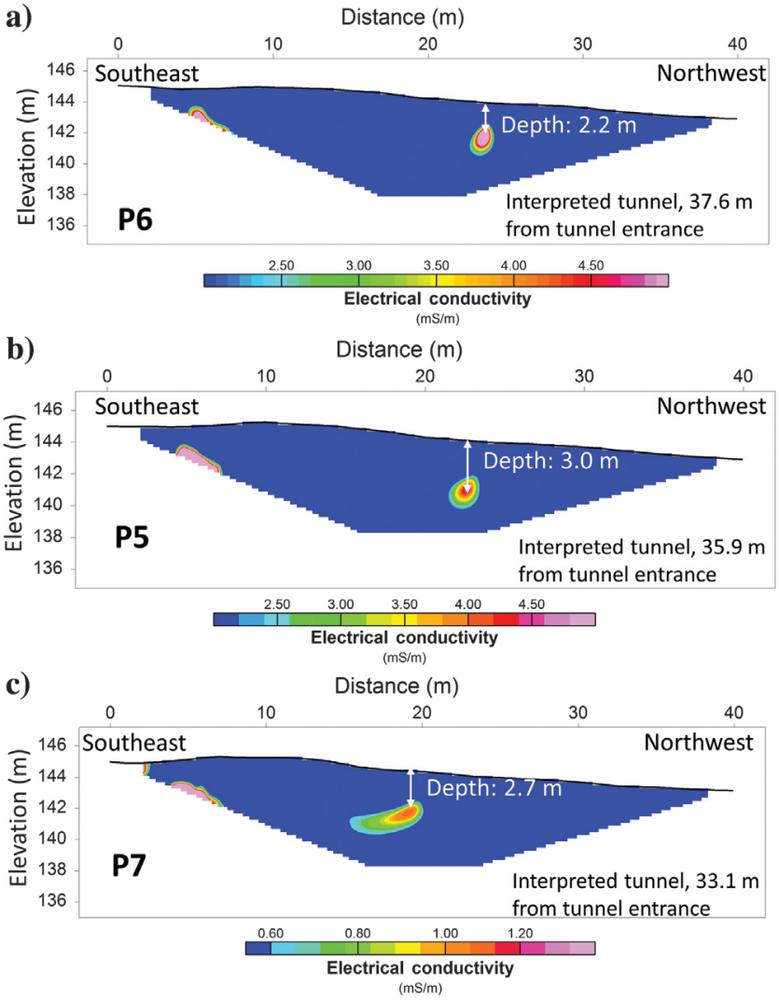
An 8 m-long ERT line laid over the tunnel entrance excavated in 2004 showed the tunnel as a distinct anomaly about 80 cm–1 m below the surface. Survivors described a tunnel at least 30 metres long, so further ERT lines were laid in the low ground beyond the hill to the southwest of the pit, where the tunnel would have run closer to the surface. Three of these lines (P5, P6 and P7) each detected the tunnel, mapping a 4.5 m-long segment between 33.1 and 37.6 m from the entrance, at depths of 2.2–3 m below the surface. The top of the tunnel lies everywhere at the same elevation, about 142 metres above sea level – exactly the elevation of the entrance.
Here the tunnel has collapsed and filled with sand, but it still differs from the dry sand around it: its timber supports, and the finer soil and organic material carried in during the digging, hold more moisture and so conduct electricity better. Computer modelling confirmed that a tunnel about 70 cm wide and 50 cm high at this depth would produce exactly the anomalies measured. Matching the survivors’ descriptions of a tunnel up to 40 metres long, the mapped segment must lie close to the exit, where the escapees broke through the roof of the tunnel among the roots of the trees. This is the ideal place for a future archaeological excavation to expose the tunnel.
An Unmarked Mass Grave
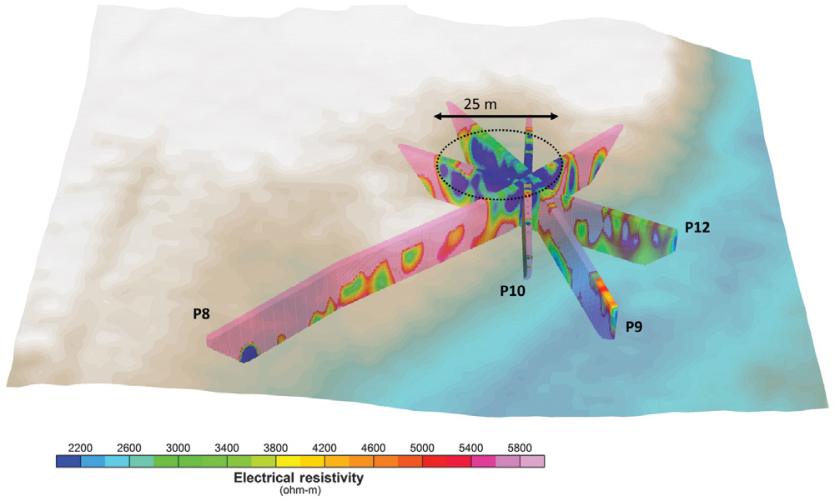
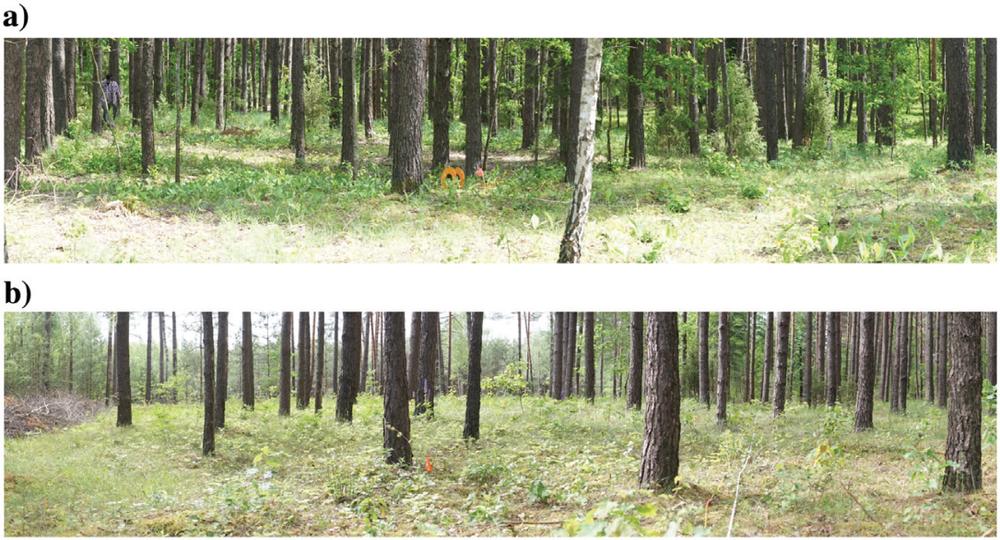
The survey also confirmed the existence of a previously unmarked mass grave in the southwest corner of the site. On most of the 1944 aerial photographs this area appears as light-coloured disturbed ground, with a circular feature the size of the other pits at Ponar. A 120 m-long ERT line, GPR profiles and three further ERT lines centred on the feature defined a circular pit about 25 metres in diameter and about 4 metres deep. Whether it holds ash or human remains cannot be told, but its fill is clearly different from the surrounding sand. On the surface it is marked today only by a very slight depression in the forest, visible on the LiDAR model; without the 1944 photographs and the geophysical data, the grave would be indistinguishable from the surrounding woodland. The results will help to commemorate and protect the grave and the tunnel.
Holocaust Escape Tunnel (2017)
Watch the NOVA film following our team of archaeologists, geophysicists, and historians investigating the escape through the tunnel at Ponar.
NOVA (PBS), Holocaust Escape Tunnel (2017), 54 min. · Watch on Dailymotion · About the film on PBS
For the full history of the extermination site, see Ponar (Paneriai).
Publication
For the full report on our geophysical work at Ponar, see:
Alastair F. McClymont, Paul D. Bauman, Richard A. Freund, Jon Seligman, Harry M. Jol, Philip Reeder, Ken Bensimon and Rokas Vengalis. 2022. Preserving Holocaust History: Geophysical Investigations at the Ponary (Paneriai) Extermination Site. Geophysics 87(1): WA15–WA25. DOI: https://doi.org/10.1190/geo2021-0065.1 (PDF on Academia).
For our work on the layout of the Ponar camp, see:
Jon Seligman, Paul Bauman, Richard Freund, Harry Jol, Alastair McClymont and Philip Reeder. 2020. Mapping Ponar (Paneriai): A Reassessment. Human Remains and Violence: An Interdisciplinary Journal 6: 15–29. DOI: https://doi.org/10.7227/HRV.6.1.3.